Blog

Notes on building InserTech's Agentic Operations Platform

Agentic operations opens up an entirely new class of challenges when applied to insurance. We are constantly improving how technology can better enable our customers.

[Business ecosystem]Aug '26

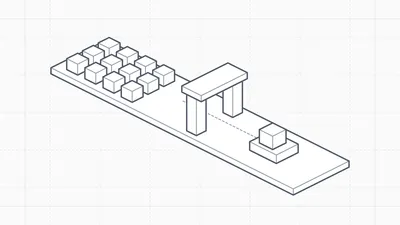
Burn the silos: why best-of-breed insurance software is no longer the safe choice

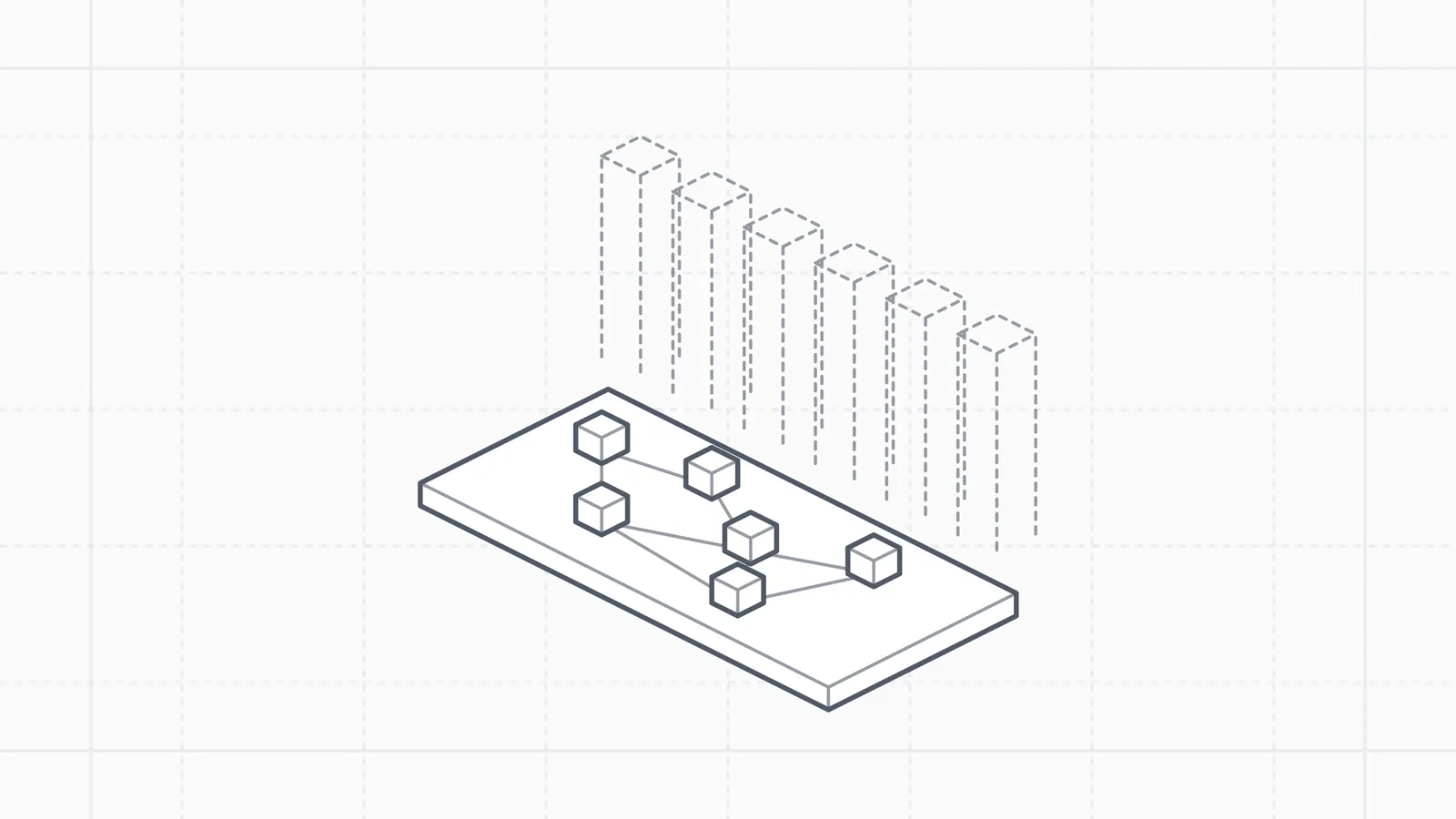
Buying the best system for each job and connecting them was the right call for twenty years. It stopped being the right call when the expensive part of a stack moved from running it to changing it. Every system in the chain keeps its own copy of what an account is, so one new risk attribute becomes six separate declarations and a reconciliation project, and any AI layer you put on top inherits all of it. We built Riska on one mesh instead, so submissions, underwriting, rating, billing and reporting resolve against the same objects, and so does the assistant.

Riska Underwriting TeamInsurance operations & underwriting
[Announcement]Oct '26

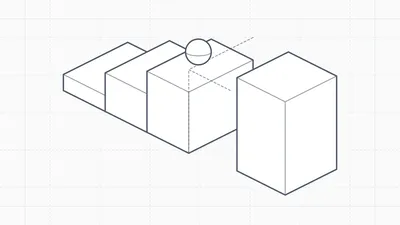
Introducing the architecture for agentic premium

Agents can do the high-context work of an underwriter at the speed of a machine, and carry that judgment across every account on the book. Most insurance software was built for a person who opens one file and finishes it. Today Riska is introducing a hybrid architecture engineered for people and agents in equal measure: the Data Mesh connecting every submission, policy, premium posting and claim, Ask Riska speaking SQL over the live book, and reporting and connectors that keep every motion on the same records.

Riska Underwriting TeamInsurance operations & underwriting
[Business ecosystem]Oct '26

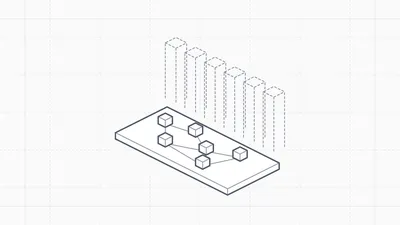
Why the agentic era will break insurance systems

Insurance systems were built for a person who opens one account and finishes it before the next one starts. More product lines, and a broker's agent sending the same risk to more carriers, mean more submissions and more operations than that person can decide on. Anthropic hit the same wall with git: about 2,500 merges a day in May 2026, more than 30,000 by September, and the tool built for a smaller day was the bottleneck. The platform that cannot score, refer and answer while the submission is still open loses the account.

Riska Underwriting TeamInsurance operations & underwriting
[Business ecosystem]Oct '26

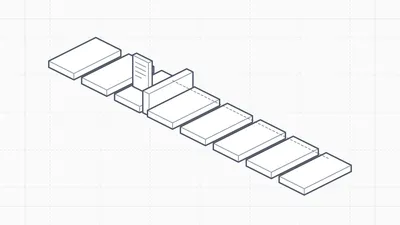
What a bordereau is, and why delegated authority still runs on one

A bordereau is the schedule of risks, premium or claims an MGA sends its carrier under delegated authority. It goes monthly or quarterly, inside a window after the period closes that the binder sets. That lag was a limit of the software, not of the business. When the bordereau is a view of live records, the carrier, the MGA and their agents read the same numbers without the month-end export. Live, not exported.

Riska Underwriting TeamInsurance operations & underwriting
Latest articles

Oct '26[Announcement]

Introducing the architecture for agentic premium

Agents can do the high-context work of an underwriter at the speed of a machine, and carry that judgment across every account on the book. Most insurance software was built for a person who opens one file and finishes it. Today Riska is introducing a hybrid architecture engineered for people and agents in equal measure: the Data Mesh connecting every submission, policy, premium posting and claim, Ask Riska speaking SQL over the live book, and reporting and connectors that keep every motion on the same records.

Oct '26[Business ecosystem]

Why the agentic era will break insurance systems

Insurance systems were built for a person who opens one account and finishes it before the next one starts. More product lines, and a broker's agent sending the same risk to more carriers, mean more submissions and more operations than that person can decide on. Anthropic hit the same wall with git: about 2,500 merges a day in May 2026, more than 30,000 by September, and the tool built for a smaller day was the bottleneck. The platform that cannot score, refer and answer while the submission is still open loses the account.

Oct '26[Business ecosystem]

What a bordereau is, and why delegated authority still runs on one

A bordereau is the schedule of risks, premium or claims an MGA sends its carrier under delegated authority. It goes monthly or quarterly, inside a window after the period closes that the binder sets. That lag was a limit of the software, not of the business. When the bordereau is a view of live records, the carrier, the MGA and their agents read the same numbers without the month-end export. Live, not exported.

Oct '26[Business ecosystem]

Agents are breaking your policy system

For thirty years insurance software has come in two shapes. Neither was built for an agent that reads every submission, acts on whatever is in the file, and needs authority over a narrow slice of the book. Insurance already has the answer in delegated authority: written limits and referral rules, enforced by the system instead of by a reviewer's attention, so the agent works inside the lines and a person sees only what falls outside them.

Oct '26[Use case]

How a program administrator tracks loss ratio and premium against plan

A program administrator writing commercial property, crime and auto runs its annual plan as portfolio metrics in Riska: written premium, loss ratio, bind ratio and mix, each split by line and program and read against the target in the plan. Every number opens onto the policies and claims behind it, so a ratio that drifts in week three becomes a list of accounts to review, not a surprise at the carrier meeting.

Oct '26[Use case]

How a property carrier automates appetite decisions on submissions, referrals and renewals

A middle-market commercial property carrier scores every submission and every renewal against its own appetite model in Riska before an underwriter opens it. In-appetite risks move straight on to quoting, borderline ones stop as referrals with the rule and its note attached, and knockouts go to decline with the value that fired them. Underwriters still own every referral and every change to the model.

Oct '26[Use case]

How an E&S carrier ranks its submission queue by expected value

An E&S carrier writing property and crime uses Riska to score every submission, renewal and task on expected value: premium size, appetite fit and likelihood to bind, lifted by how close the effective date is. The queue is ordered by that score with the reasons beside each rank, so underwriters start on the accounts most worth winning and decline the rest on the first read. People still make every quote, referral and decline.

Aug '26[Business ecosystem]

Burn the silos: why best-of-breed insurance software is no longer the safe choice

Buying the best system for each job and connecting them was the right call for twenty years. It stopped being the right call when the expensive part of a stack moved from running it to changing it. Every system in the chain keeps its own copy of what an account is, so one new risk attribute becomes six separate declarations and a reconciliation project, and any AI layer you put on top inherits all of it. We built Riska on one mesh instead, so submissions, underwriting, rating, billing and reporting resolve against the same objects, and so does the assistant.