
How a commercial carrier runs submissions from inbox to bind
- Written by
- RiskaProduct
- Published
- Length
- 3 min read
What inbox to bind looks like at a commercial carrier
Picture a commercial lines carrier with a book north of $100M in written premium. Submissions come from a shared broker mailbox, a producer portal and a couple of agency platforms. A renewal for a trucking account arrives as a reply on a thread from last year, with a fresh loss run and an updated vehicle schedule attached.
Before anyone can decide on it, someone has to work out whether it is new business or a renewal, which account it belongs to, and whether a colleague is already quoting the same insured through another broker. Then someone reads the attachments and keys the values into the policy system. Then someone opens the rating spreadsheet.
None of that is underwriting. All of it happens before the underwriting starts.
The same submission, two ways of working
Each row is a step every submission goes through, whoever does it.
Intake
someone sorts the shared mailbox
read and filed as it lands
Clearance
search the policy system by name
matched on the number in the mail
Appetite
the underwriter reads the guide
scored against the rules you set
Reading the file
values keyed in by hand
proposed with the page they came from
Pricing
a spreadsheet beside the system
a workbook on the same record
Bind
rekeyed into another screen
one event on the record
A submission from arrival to bind
Following the trucking renewal from the broker reply to the bound term.
- 01
Land it on the right account
The reply joins the thread it belongs to, and the policy number quoted in it ties the submission to the account the carrier already holds. A message already seen never opens a second submission. If the evidence points two ways, the submission waits for a person instead of picking one.
- 02
Read the attachments
Each file is classified against the document types the carrier defined, split into sections and read against the fields mapped to them. The queue shows which documents arrived and which did not, so a missing schedule is asked for on day one.
- 03
Clear it and score it
The insured is checked against the accounts and submissions already on the book, and knockout rules run as soon as the data lands. The submission is scored against the appetite the carrier configured and lands in appetite, referred or out, with the rule that put it there attached.
- 04
Review the proposed changes
The new vehicle schedule arrives as staged edits in plain language. The underwriter clicks any value, lands on the box it was read from, and applies the changes together or one at a time. Low-confidence fields are the ones shown first.
- 05
Price it and bind it
The workbook prices the record it is pointed at, using rate tables from an effective-dated book, so the quote can be reconstructed later. The next event is a button on the record, and when the underwriter is ready that button says Bind.
Where the underwriter still decides
A platform that guessed through the hard cases would be faster on paper and worse in practice. So the hard cases stop.
When the sender matches two brokers, a person routes it. When a stage cannot resolve something, it opens a task for the owner of the inbox and waits. A referral carries the note written on the rule that raised it. And extracted values never reach the book on their own: they arrive as a proposal, and someone applies them.
What changes is where that person spends the morning. The submissions that need judgement are kept apart from the ones still moving, so the queue is a list of decisions rather than a list of emails.
One record from intake through bind
Most carriers get here by connecting tools: an intake product, a clearance search, a rating spreadsheet, a policy system. Every hand-off is a place where a value is rekeyed or a submission is matched twice.
Riska is built the other way round. Submission triage (which reads every attachment) and appetite scoring all write to the same record the underwriter prices and binds in the underwriting workbench. The evidence an extracted value came from, the rule that referred the risk and the version of the rate book that priced it all stay attached to that record, which is what lets a carrier explain a decision months after it was made.
Questions we get asked
- Is this a real customer?
- No. This is an illustrative use case describing how a commercial lines carrier with more than $100M in written premium would run submissions on Riska. It names no customer and reports no results.
- Do brokers have to change how they send submissions?
- No. Riska connects to the mailbox submissions already go to, and also accepts submissions from a producer portal or straight from other systems. Every channel joins the same queue and gets the same checks.
- What happens when Riska cannot tell which account a submission belongs to?
- It does not guess. A submission whose evidence points to more than one account waits for a person to decide, and the candidates considered and who resolved it are kept on the record.
- Can extracted data change a policy without review?
- Not by default. Extracted values arrive as a proposed change that a person applies, and each value keeps the page and box it was read from so it can be checked in one click.
Keep reading
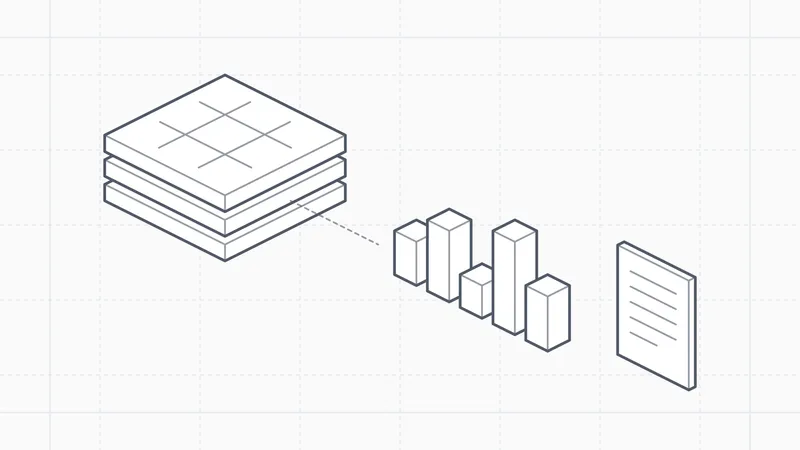
How an MGA rates, reprices and quotes commercial property by asking
A commercial property and crime MGA gives its underwriters, assistant underwriters and account managers one way to rate, reprice and quote: they ask Ask Riska in plain language. It reads the actual record, prices it through the MGA's own rate book and workbook, and shows the premium line by line with the factor behind each one. Nothing on the record changes, and no quote goes out, until a person approves it.
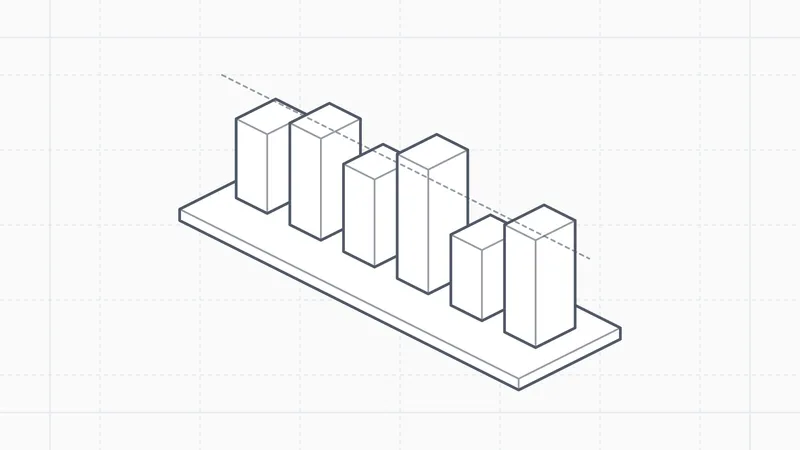
How a program administrator tracks loss ratio and premium against plan
A program administrator writing commercial property, crime and auto runs its annual plan as portfolio metrics in Riska: written premium, loss ratio, bind ratio and mix, each split by line and program and read against the target in the plan. Every number opens onto the policies and claims behind it, so a ratio that drifts in week three becomes a list of accounts to review, not a surprise at the carrier meeting.
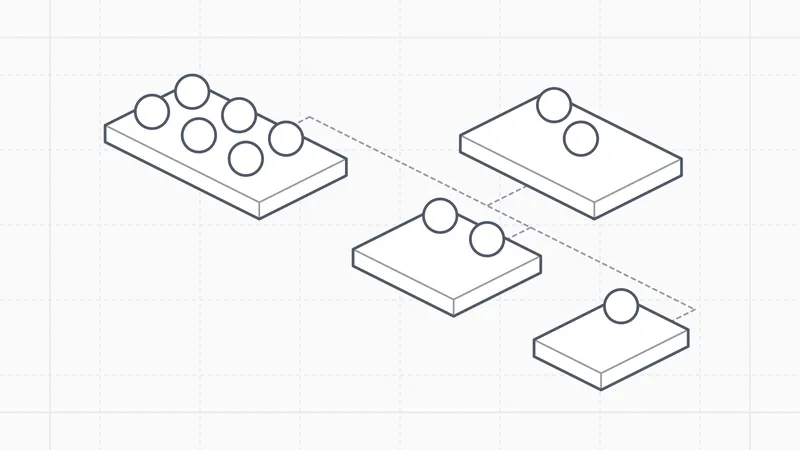
How a property carrier automates appetite decisions on submissions, referrals and renewals
A middle-market commercial property carrier scores every submission and every renewal against its own appetite model in Riska before an underwriter opens it. In-appetite risks move straight on to quoting, borderline ones stop as referrals with the rule and its note attached, and knockouts go to decline with the value that fired them. Underwriters still own every referral and every change to the model.
See it on your own submissions.
Bring a real ACORD form and a real appetite guide. We will run them through Riska on the call.